

27 Ene Understanding the subconscious How gambling triggers cognitive biases
Understanding the subconscious How gambling triggers cognitive biases
The Role of the Subconscious in Gambling
The subconscious mind plays a crucial role in decision-making processes, especially in high-stakes environments like gambling. Often, players operate on instinct rather than logic, driven by emotions and past experiences. For those looking for something exhilarating, the best aussie online casino offers a wide range of options. This tendency can lead to decisions that don’t align with rational thought, making it essential to understand the factors influencing these choices.

Many gamblers may not realize that their subconscious can manipulate their perceptions of risk and reward. The thrill of winning often overshadows the potential for loss, creating a false sense of security that can encourage further gambling. Recognizing these subconscious influences is vital for anyone looking to engage with gambling responsibly.
Cognitive Biases and Their Impact
Cognitive biases are systematic patterns of deviation from norm or rationality in judgment. In the gambling context, these biases can significantly affect how players perceive their chances of winning. One common bias is the «gambler’s fallacy,» where individuals believe that past events influence future outcomes, despite each game being independent. This can lead players to chase losses, thinking that a win is «due.»
Another notable bias is the «availability heuristic,» where gamblers base decisions on recent experiences. For example, if someone recently witnessed a big win at a slot machine, they may be more likely to play that machine again, convinced they will experience similar success. Understanding these biases helps in developing a more strategic approach to gambling.
The Psychology of Reward and Risk
The psychological interplay of reward and risk is fundamental in gambling scenarios. Players often experience a rush when they win, releasing dopamine, a neurotransmitter associated with pleasure. This response can lead to an addictive cycle, as the brain begins to crave that reward sensation, sometimes prioritizing it over logical reasoning.
Moreover, the risk factor adds to the thrill. The uncertainty of not knowing whether they will win or lose keeps players engaged, often leading them to underestimate the potential for significant losses. Awareness of this psychological dynamic can help gamblers recognize when they are being led by their emotions instead of making informed decisions.
The Influence of Environment on Gambling Behavior
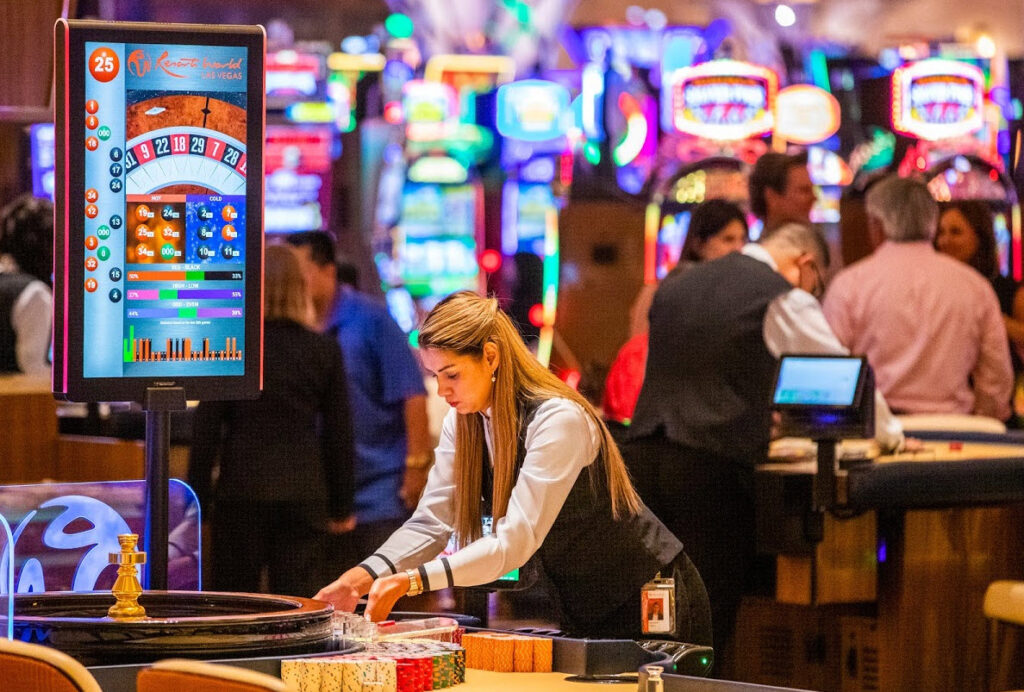
The environment in which gambling takes place can have a profound impact on behavior and decision-making. Casinos, for instance, are designed to stimulate and entice players, with bright lights, sounds, and the presence of other players creating an atmosphere that encourages spending. This sensory overload can significantly affect a gambler’s judgment.
Additionally, the availability of alcohol and the social atmosphere can lower inhibitions, further impairing decision-making. Understanding the psychological effects of the gambling environment is crucial for maintaining control and making conscious choices, rather than succumbing to external pressures.
Explore Responsible Gaming with Us
Our website aims to promote responsible gaming by providing resources and insights into the psychological aspects of gambling. We understand the complexities of human behavior and strive to empower players with knowledge about cognitive biases and the subconscious influences at play.
Whether you are a novice or an experienced gambler, our platform offers valuable information to help you make informed decisions while enjoying your gaming experience. We are committed to ensuring a safe and enjoyable environment for all players, prioritizing awareness and responsible practices.
No Comments